

Dr. Gabriele Meyer-Fellowship 2026
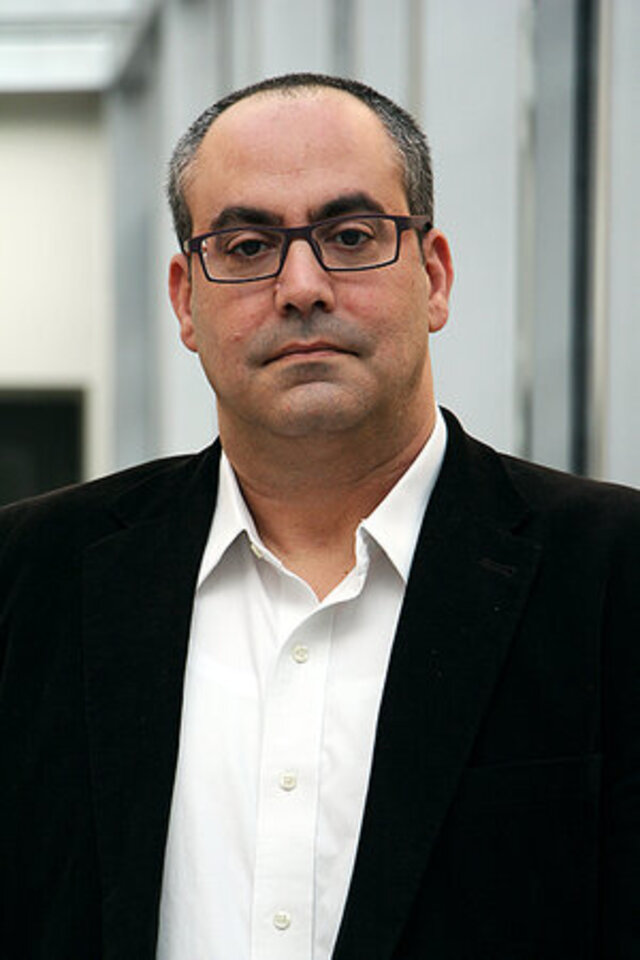
Rotem Giladi is Associate Professor of Law at the University of Roehampton Law School, London where he heads the master programme in Human Rights, and a Research Associate at the Jacob Robinson Institute for the History of Individual and Collective Rights at the Hebrew University of Jerusalem. He read law at the University of Essex (LLB), the Hebrew University of Jerusalem (LLM), and the University of Michigan Law School (LLM; SJD 2011). He practiced law in diplomatic service and with the International Committee of the Red Cross. Professor Giladi’s research focuses on the history of international law, with particular focus on the laws of war and the meeting points between international law and modern Jewish history; and on the history of violence in the British empire. His book, Jews, Sovereignty, and International Law: Ideology and Ambivalence in Early Israeli Legal Diplomacy, was published by OUP in 2021. His latest work, Flogging Jack Nafte: Corporal Punishment, Imperial Assimilation, and Jewish Whiteness in Pre-Apartheid South Africa, was published in The Journal of Imperial and Commonwealth History.
As part of the Hamburg Fellowship of the Alfred Toepfer Foundation F.V.S. and the Gabriele Meyer Fellowship
Projekt: Body, Nation, Empire: Law, Politics, and Corporal Punishment in Modern Jewish History
During my fellowship at the IGdJ, I will explore the legal and political history of corporal punishment episodes taking place, in particular, in the context of the Zion Mules Corp WWI service in the Gallipoli campaign. This study forms part of a larger project focussed on corporal punishment and modern Jewish history that considers the Jewish body as a site for negotiation between Jews and the British empire. This and other episodes illustrate how corporal punishment allowed Jews to assert national legal-political agency in imperial frameworks and how the punishment of Jewish bodies could be used to invoke, coopt, or reject—in short, negotiate—the empire’s authority to the end of various emancipatory projects.